


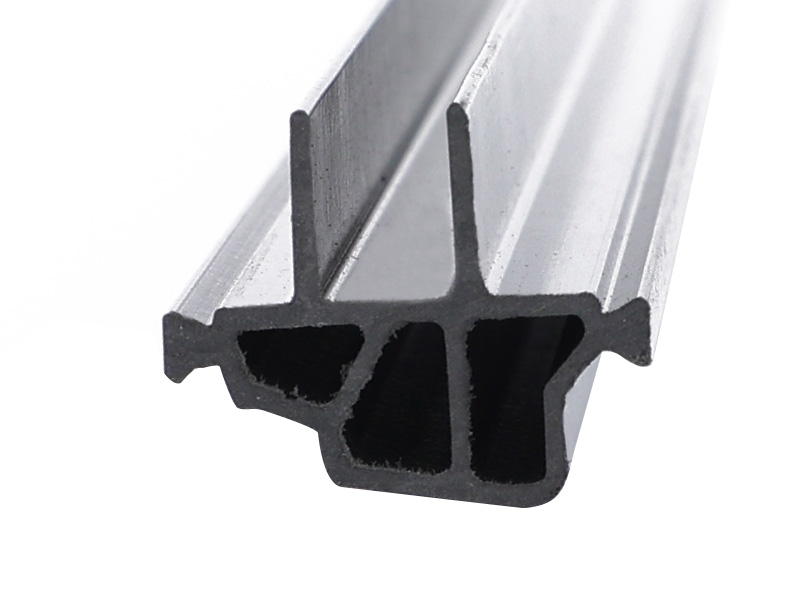
As building energy efficiency standards continue to improve, Thermal Barrier Strips have become an essential component in aluminum window, door, and curtain wall systems. These small but important components help reduce thermal bridging by separating interior and exterior aluminum profiles, improving insulation performance while maintaining structural stability.
However, selecting the right thermal break solution is not simply a matter of comparing prices or dimensions. The material quality, mechanical performance, compatibility, and supplier capability all influence the long-term reliability of the entire building system. Before purchasing Thermal Break Strips, several important factors should be carefully evaluated.
Consider Material Quality and Composition First
The material used for a thermal barrier strip directly determines its insulation performance and durability. Most high-performance products are manufactured from PA66 Thermal Break Strip materials, often reinforced with glass fiber to achieve a better balance between thermal insulation and mechanical strength.
Compared with ordinary plastics, reinforced polyamide materials provide lower thermal conductivity, allowing the strip to effectively reduce heat transfer through aluminum profiles. At the same time, the addition of glass fiber improves rigidity and dimensional stability, helping the strip maintain its original shape during long-term temperature changes.
For applications such as curtain walls and large aluminum facade systems, material consistency is especially important. A high-quality Nylon Thermal Break Strips solution should not only provide insulation but also withstand structural loads, environmental exposure, and repeated thermal cycling.
Evaluate Mechanical Performance and Long-Term Durability
Although Thermal Barrier Strips are mainly known for their insulation function, they also serve as structural connectors inside aluminum systems. They must maintain a stable connection between different aluminum sections while resisting forces caused by wind pressure, temperature changes, and building movement.
When evaluating product performance, several mechanical factors should be considered:
- ▶ Tensile strength: determines whether the strip can resist pulling forces without cracking or breaking.
- ▶ Flexural strength: affects resistance to deformation under pressure.
- ▶ Dimensional stability: ensures consistent performance during expansion and contraction.
- ▶ Weather resistance: helps maintain properties under UV exposure, humidity, and temperature changes.
A thermal break strip with insufficient mechanical strength may gradually deform over time, causing gaps between profiles and reducing the overall insulation effect. Therefore, durability should be considered as important as initial thermal performance.
Check Compatibility With Aluminum Profiles
Even a high-performance Thermal Barrier Strip cannot work effectively if it does not match the aluminum profile design. Different window, door, and curtain wall systems require different strip dimensions and structural designs.
Before purchasing, engineers and buyers should confirm whether the product matches the project requirements, including:
| Parameter | Why It Matters |
|---|---|
| Width | Determines the size of the thermal separation area |
| Thickness | Affects installation stability and profile compatibility |
| Shape Design | Ensures proper connection with aluminum grooves |
| Length | Influences production efficiency and installation process |
Proper dimensional matching helps prevent installation difficulties and ensures that the thermal barrier performs as designed. For customized architectural projects, suppliers with flexible manufacturing capabilities can provide solutions based on specific aluminum profile requirements.
Pay Attention to Certifications and Quality Control
A reliable Thermal Barrier Strip manufacturer should have strict quality management systems and testing procedures. Certifications do not replace performance evaluation, but they provide an important reference for product reliability.
Common Certifications and Standards
- ▶ ISO 9001 quality management certification;
- ▶ CE certification for relevant markets;
- ▶ SGS testing reports for material and performance verification.
Beyond certifications, manufacturers should also have quality control processes covering raw material inspection, extrusion accuracy, dimensional testing, and mechanical performance evaluation.
For large construction projects, consistent quality between different production batches is just as important as the performance of a single sample.
Consider Customization and Supplier Capability
Different projects often have unique requirements. Standard thermal break products may not always perfectly match specialized curtain wall or window systems.
A supplier with strong engineering capabilities can provide customized options, such as different widths, thicknesses, lengths, and structural designs. This flexibility is particularly valuable for commercial buildings, high-rise façades, and customized architectural projects.
In addition, production capacity and technical support should not be ignored. A supplier that can provide stable delivery, professional recommendations, and after-sales support can reduce risks throughout the project lifecycle.
Why Choosing the Cheapest Option May Increase Costs
When purchasing Thermal Break Strips, price is an important consideration, but it should not be the only deciding factor. Low-cost products may use lower-grade materials, have inconsistent dimensions, or lack sufficient quality control.
A customer may initially save on purchasing costs but later face problems such as poor insulation performance, condensation issues, or premature replacement.
Q: Is a higher-quality thermal break strip worth the additional investment?
In most cases, yes. A reliable thermal barrier solution can improve building energy efficiency, reduce maintenance requirements, and provide more stable long-term performance. Considering the service life of modern buildings, the initial material cost usually represents only a small part of the total ownership cost.
A Practical Checklist Before Purchasing
Before selecting a Thermal Barrier Strip supplier, buyers should evaluate:
| Evaluation Factor | Key Question |
|---|---|
| Material | Is the product made from high-quality polyamide materials? |
| Performance | Does it provide sufficient strength and insulation? |
| Compatibility | Can it match the required aluminum profile? |
| Certification | Are quality standards and testing available? |
| Customization | Can the supplier provide project-specific solutions? |
Choosing the right thermal break product requires a comprehensive understanding of both material science and practical application requirements.

Thermal Barrier Strips may be small components within a building system, but their influence on energy efficiency, structural reliability, and occupant comfort is significant. A suitable product should provide not only excellent insulation performance but also mechanical strength, dimensional stability, and long-term durability.
By carefully evaluating materials, performance, compatibility, certifications, and supplier capabilities, buyers can select Thermal Break Strips that deliver reliable performance throughout the lifespan of windows, doors, and curtain wall systems.