

 English
English
English Bergman provides high-performance Polyamide Thermal Break Strips and nylon granules for aluminum windows, doors, curtain walls, and other applications requiring reliable thermal insulation and structural performance. Our material portfolio includes PA6 and PA66-based glass-fiber-reinforced nylon grades developed for extrusion and injection molding.
By combining a high-performance polyamide matrix with carefully selected glass fiber reinforcement, these materials offer a balanced combination of mechanical strength, heat resistance, dimensional stability, and processability. Different reinforcement levels and customized formulations allow manufacturers to select suitable materials according to profile design, processing conditions, and application requirements.
Aluminum is widely used in modern building systems because of its strength, durability, and design flexibility. However, its high thermal conductivity can create a thermal bridge between the interior and exterior sides of an aluminum profile. This can increase heat transfer and reduce the overall energy efficiency of the building envelope.
Thermal Break Strips provide an effective solution by separating the interior and exterior aluminum profiles with a low-thermal-conductivity polymer material. When properly integrated into the profile system, they help reduce heat transfer while maintaining the mechanical connection between the aluminum components.
For long-term performance, the material used to manufacture thermal break strips must provide more than thermal insulation. It also needs sufficient strength, dimensional stability, heat resistance, weather resistance, and extrusion performance.
For demanding thermal barrier applications, PA66 Nylon Granules are widely selected because PA66 offers excellent mechanical strength, heat resistance, and dimensional stability. Glass fiber reinforcement can further improve rigidity, tensile strength, creep resistance, and dimensional control.
The glass fiber content has a direct influence on material performance. Lower reinforcement levels can provide a balanced combination of strength and processability, while higher glass fiber contents can deliver greater rigidity, lower shrinkage, and improved resistance to deformation under load.
This makes Glass Fiber Reinforced Nylon suitable for thermal barrier profiles that require precise dimensions and stable performance during extrusion, assembly, and long-term service. The material can also be formulated to meet different processing and environmental requirements.
Bergman's product range includes multiple modified nylon grades with different glass fiber contents and performance characteristics. Typical options include:
| Material Grade | Reinforcement | Main Characteristics | Typical Applications |
|---|---|---|---|
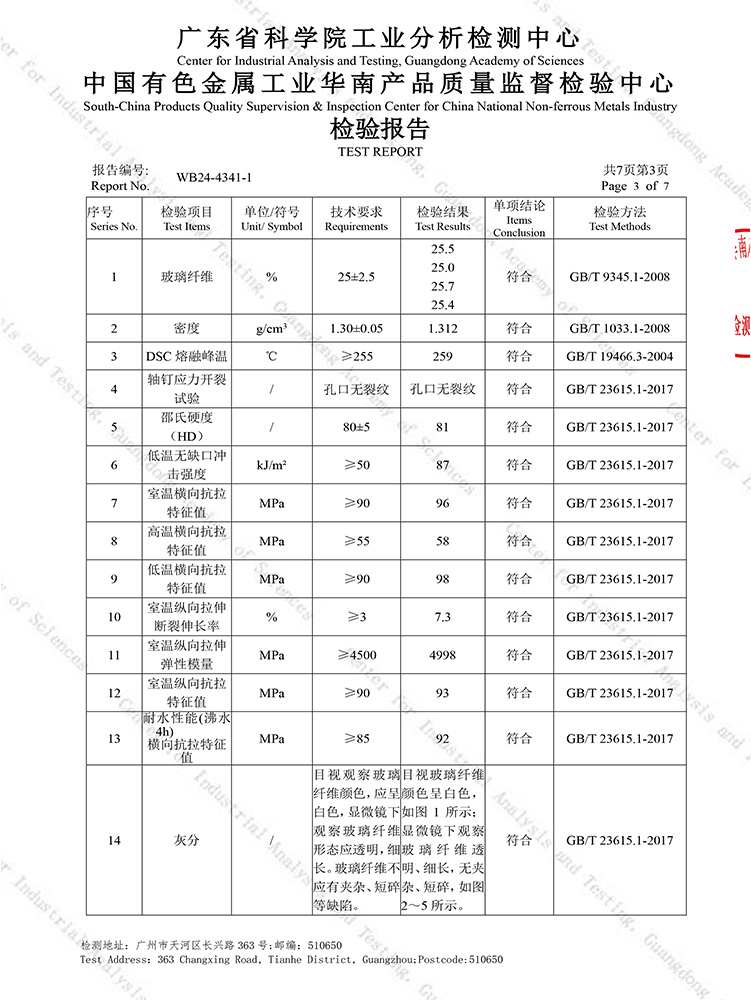
| PA66 GF25 | 25% glass fiber | Balanced strength, heat resistance, and dimensional stability | Thermal break strips and precision profiles |
| PA66 GF30 | 30% glass fiber | Higher rigidity and mechanical strength | Structural and high-load components |
| PA66 GF50 | 50% glass fiber | Ultra-high strength, stiffness, low shrinkage, and creep resistance | Heavy-duty precision components |
| PA6 GF20–GF35 | 20–35% glass fiber | Different combinations of strength, heat resistance, and processability | Injection-molded engineering components |
The exact performance of each grade depends on its formulation, glass fiber content, processing conditions, and application environment. Customers can select the appropriate material based on required strength, dimensional accuracy, operating temperature, and production process.
Different applications may require more than standard mechanical and thermal properties. Bergman offers customized Nylon Granules to address specific processing and service requirements.
Available modification options can include UL94-V0 flame retardancy, hydrolysis resistance, heat aging resistance, cold resistance, impact modification, low fiber float, and low-warpage formulations. These modifications allow the material to be adapted to different environments and component designs. For example, higher glass fiber reinforcement can be considered when greater rigidity and dimensional stability are required, while low-warpage or low-fiber-float grades can be developed for applications where surface quality and dimensional precision are particularly important.
Bergman is a national high-tech enterprise specializing in the research, development, manufacturing, sales, and service of high-performance polymer materials. Supported by a 32,000-square-meter manufacturing facility, the company combines material formulation, production, process control, and quality management to provide consistent material performance.
Bergman's product portfolio includes thermal barrier strips, Nylon Granules, PA6/PA66 glass-fiber-reinforced materials, and two-component polyurethane adhesives. Its polymer materials are developed for construction and industrial applications with different mechanical, thermal, processing, and regulatory requirements.
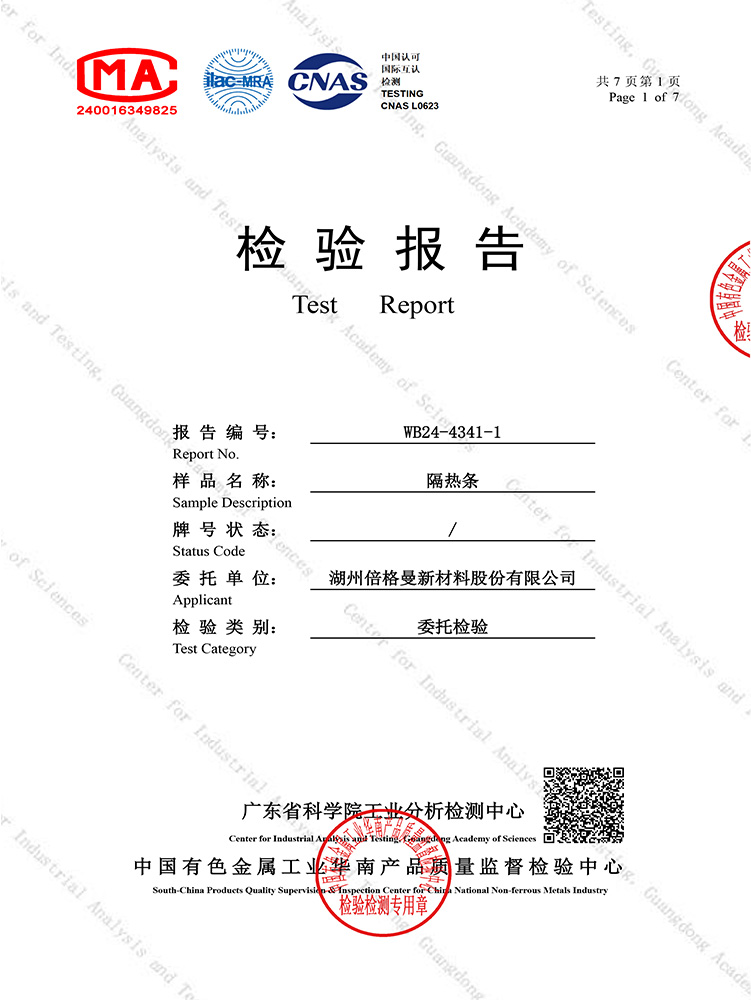
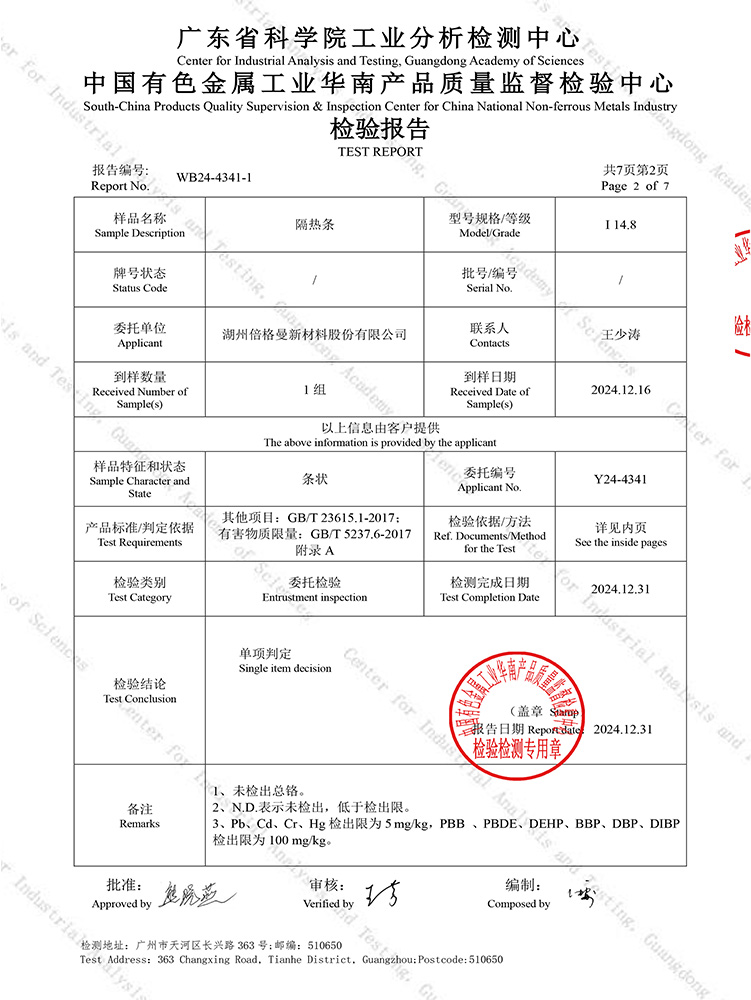
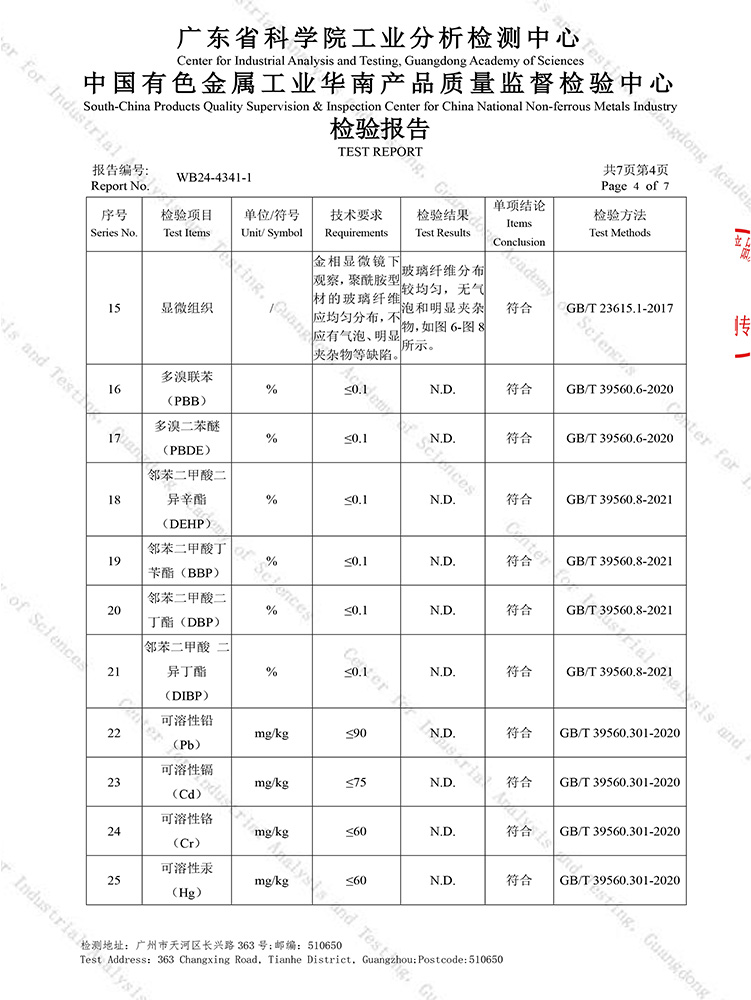
Product quality and reliability are supported by certifications and testing including UL, SGS, SQI, and RoHS, with relevant products manufactured according to applicable standards such as GB 5237.6-2012 and GB/T 23615.2-2012.
With application-oriented R&D and flexible material formulation capabilities, Bergman can provide customized thermal break and polymer material solutions based on customers' profile designs, processing requirements, and target performance.
Have questions? We have answers!
Get in Touch