
 English
English
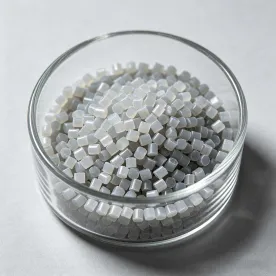
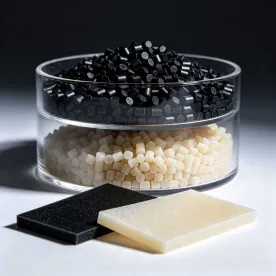
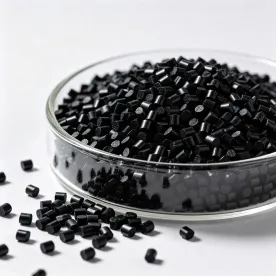
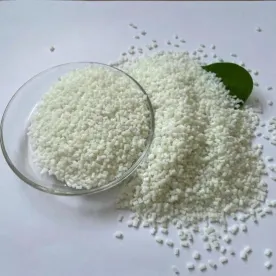
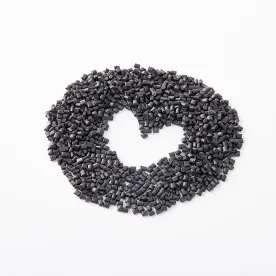
English Nylon Granules are engineering plastic pellets made primarily from polyamide resins such as PA6 and PA66. They are processed through injection molding, extrusion, and other thermoplastic manufacturing methods to produce components that require mechanical strength, heat resistance, wear resistance, and dimensional stability.
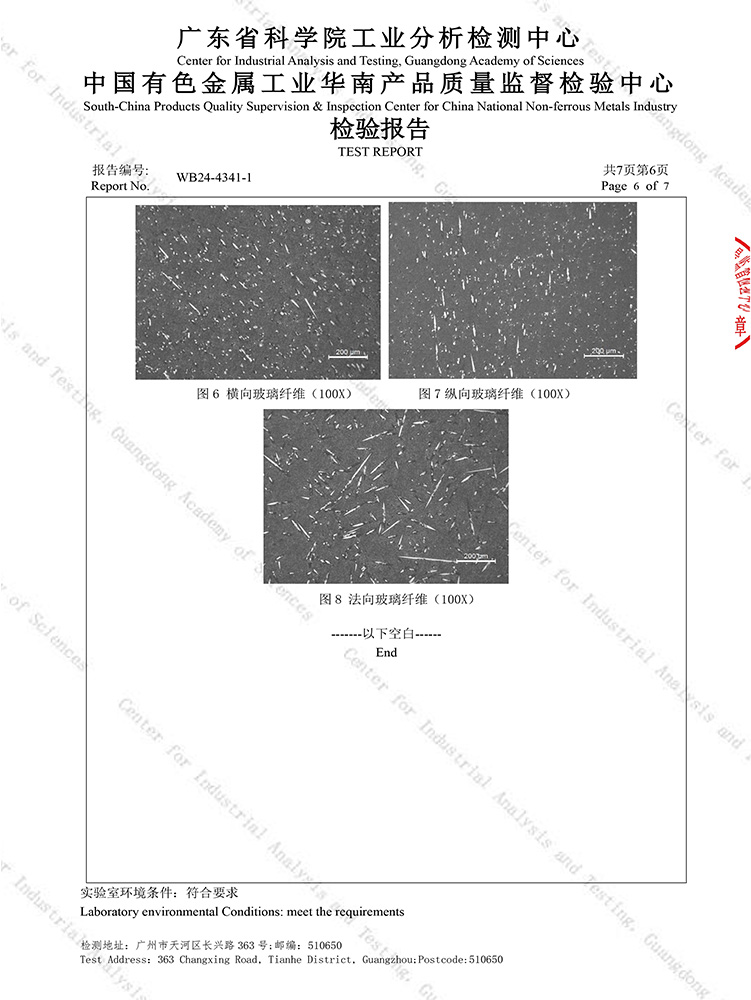
For applications requiring higher strength and rigidity, glass fiber is incorporated into the polyamide matrix. Glass Fiber Reinforced Nylon provides significantly improved stiffness, tensile strength, dimensional stability, and resistance to deformation compared with unreinforced nylon. The glass fiber content can also be adjusted to balance mechanical performance, processability, and application requirements.
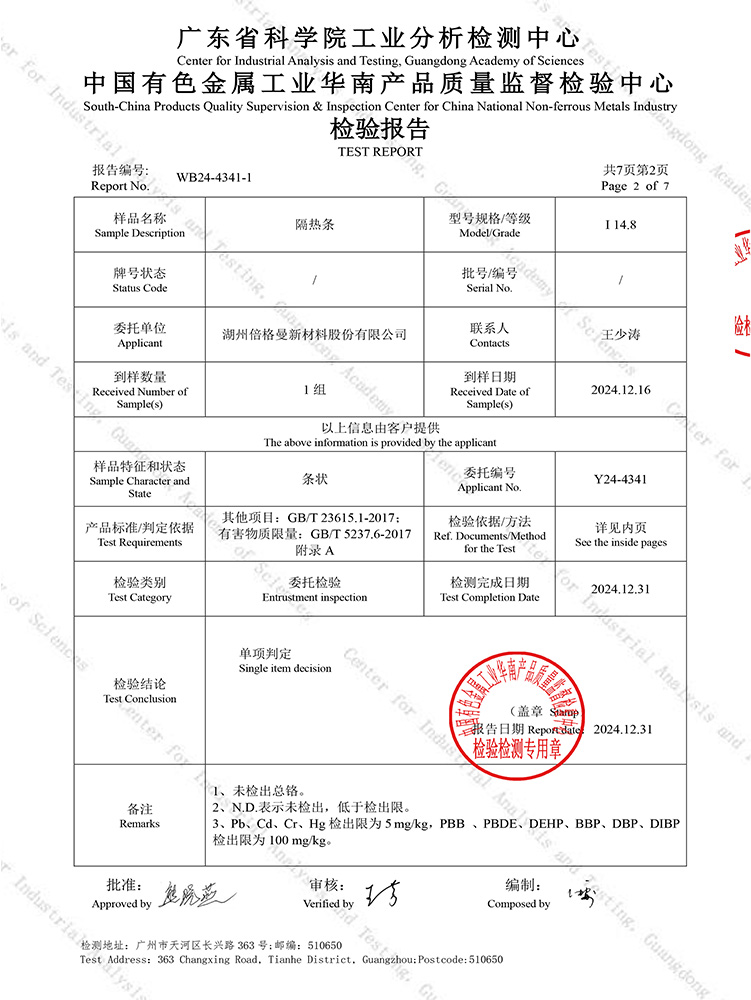
Bergman offers a comprehensive range of PA6GF and PA66GF Nylon Granules, covering glass fiber reinforcement levels from 20% to 50%. This allows customers to select a suitable material according to component design, mechanical loads, operating temperature, processing method, and dimensional accuracy requirements.
The main difference between PA6 and PA66 lies in their thermal and mechanical characteristics. PA6 generally provides good toughness, impact resistance, and processing performance, while PA66 offers higher heat resistance, stiffness, and dimensional stability. After glass fiber reinforcement, both materials can be used for demanding engineering applications.
The actual performance of each grade depends not only on glass fiber content but also on the polymer matrix, fiber treatment, formulation, processing conditions, and final component design. Therefore, selecting the right grade should consider the complete application environment rather than reinforcement percentage alone.
The percentage of glass fiber reinforcement has a direct influence on the performance of modified nylon.
Generally, increasing the glass fiber content can improve tensile strength, stiffness, heat resistance, creep resistance, and dimensional stability. Higher reinforcement levels can also reduce molding shrinkage, which is beneficial for precision components with strict dimensional requirements.
However, higher glass fiber content can also affect melt flow, surface appearance, impact behavior, and processing conditions. For this reason, PA66GF20 is not simply a lower-performance version of PA66GF50. Each grade is designed to provide a different balance between mechanical performance and processability.
For general engineering applications, 20%–30% glass fiber grades can provide a practical balance. For high-load structural components requiring greater rigidity and lower deformation, 35%–50% grades may be more appropriate.
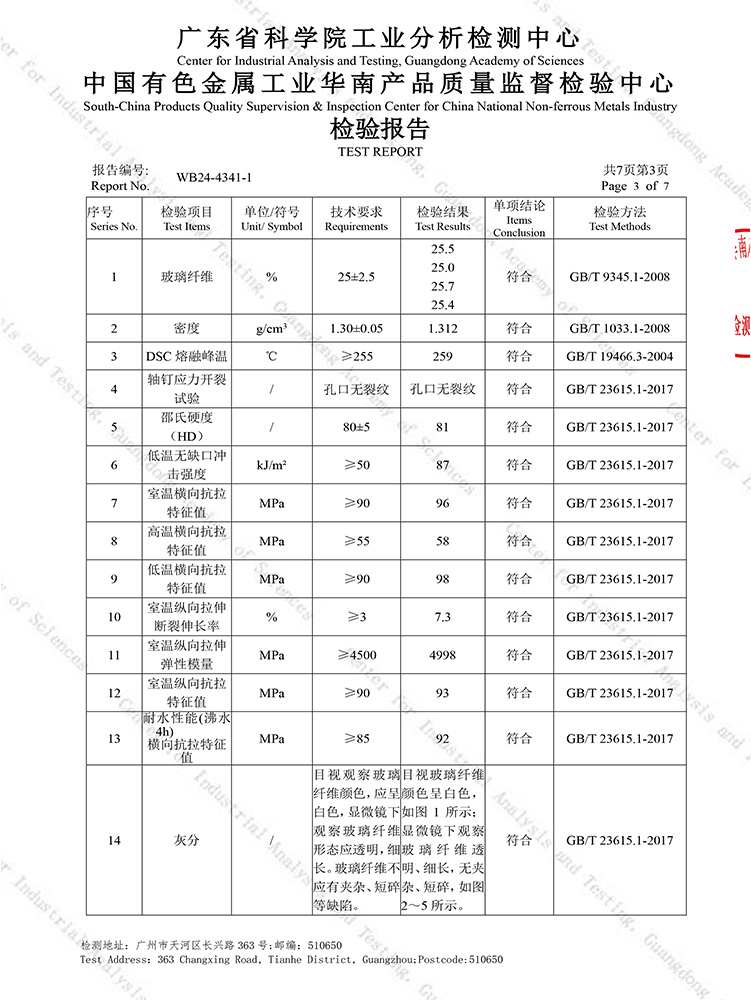
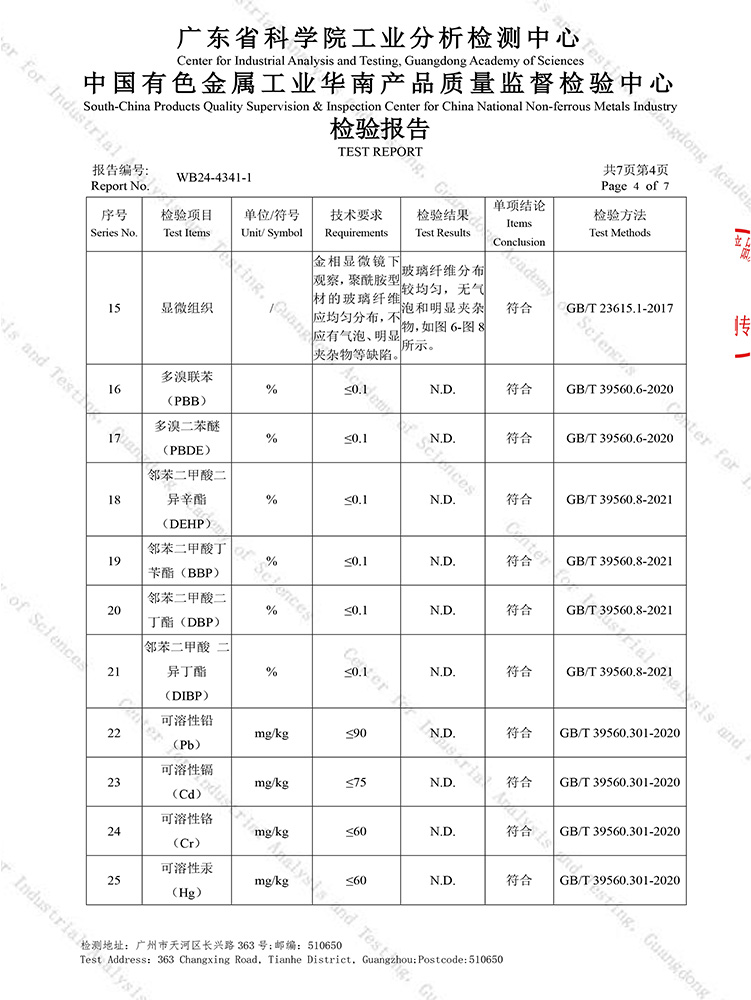
Our Nylon Granules are manufactured with controlled raw materials, glass fiber content, and processing conditions to provide stable performance from batch to batch. Consistent pellet quality also supports reliable feeding and melting during injection molding and extrusion.
PA6GF and PA66GF grades offer enhanced strength, rigidity, heat resistance, creep resistance, and dimensional stability compared with unreinforced nylon. Different reinforcement levels allow manufacturers to select the appropriate performance level for their components.
Uniform pellet size and controlled moisture content support stable feeding, melting, and molding. The materials can be processed through common injection molding and extrusion equipment, while processing conditions can be adjusted according to the specific grade.
In addition to standard PA6GF and PA66GF grades, customized formulations can be developed for specific requirements. Available modification options may include flame retardancy, impact modification, cold resistance, heat aging resistance, hydrolysis resistance, low fiber float, low warpage, and other specialized properties.
Custom colors and additive packages can also be considered according to application and production requirements.
Choosing between different Polyamide Granules should be based on the component's mechanical load, operating temperature, dimensional requirements, processing method, and service environment.
For applications prioritizing toughness and balanced processing performance, PA6GF grades can be considered. When higher heat resistance, stiffness, and dimensional stability are required, PA66GF grades are generally more suitable.
The glass fiber content should then be selected according to the required mechanical performance. Lower reinforcement levels can provide better processability and impact performance, while higher reinforcement levels are typically preferred for high-strength, high-rigidity, and low-shrinkage applications.
For demanding applications, Bergman can help customers evaluate the appropriate combination of PA6 or PA66 resin, glass fiber content, and modification technology based on the final component requirements.
Bergman specializes in the development and manufacturing of modified engineering plastics for construction and industrial applications. With a broad range of PA66GF20, PA66GF25, PA66GF30, PA66GF35, PA66GF40, PA66GF50, PA6GF20, PA6GF30, PA6GF35, PA6GF40, and PA6GF50, customers can select materials with different levels of strength, rigidity, heat resistance, dimensional stability, and processability.
Our material development capabilities also support customized formulations for specialized applications. Whether the requirement is a standard injection molding grade, a high-strength structural material, or a glass fiber reinforced material for thermal break profiles, Bergman can provide materials based on specific performance and processing requirements.
Have questions? We have answers!
Get in Touch