

 English
English
English 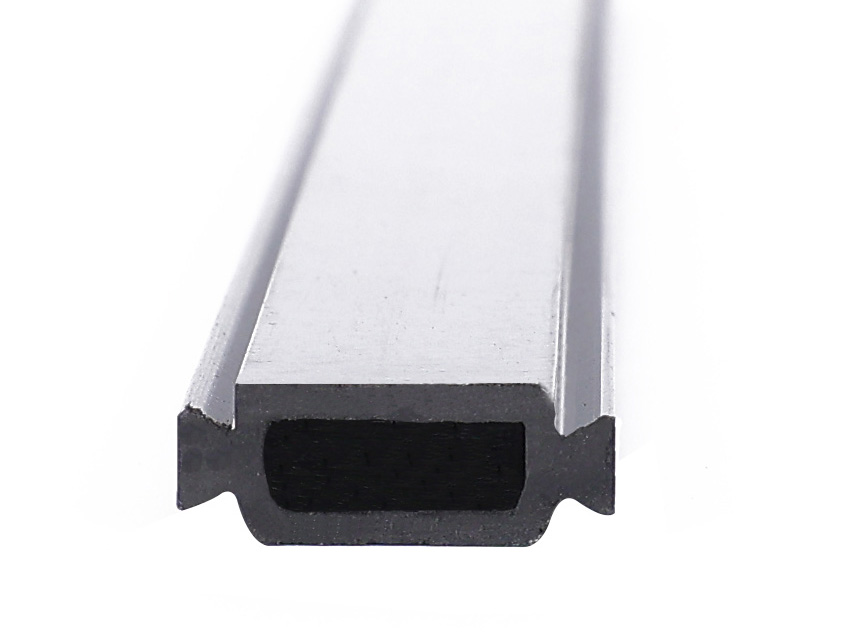
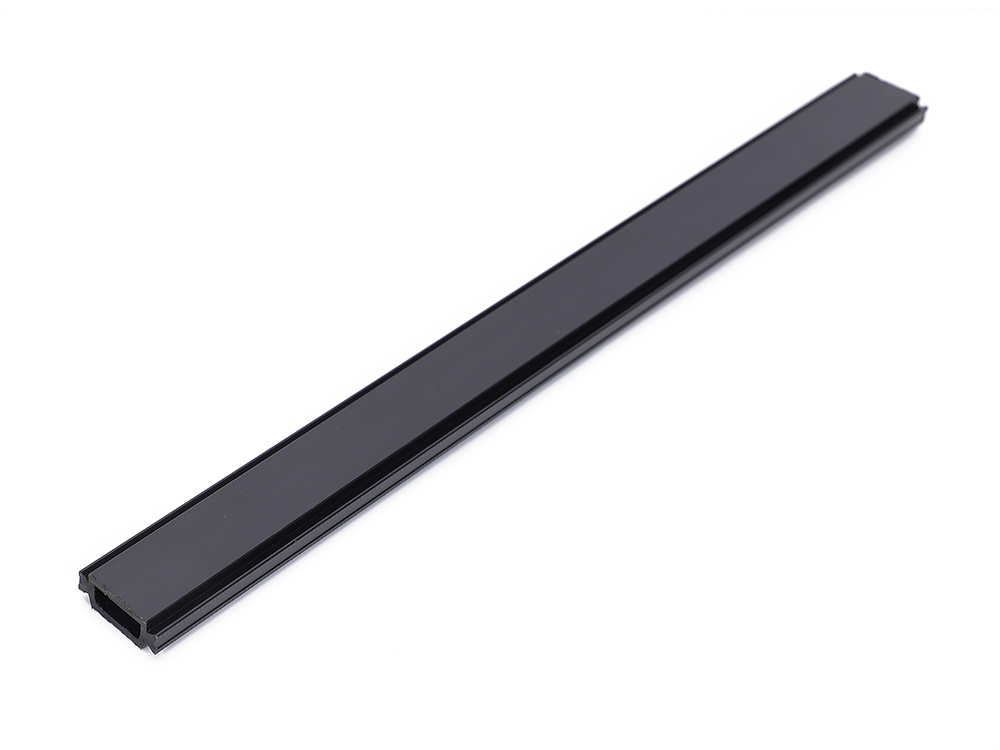
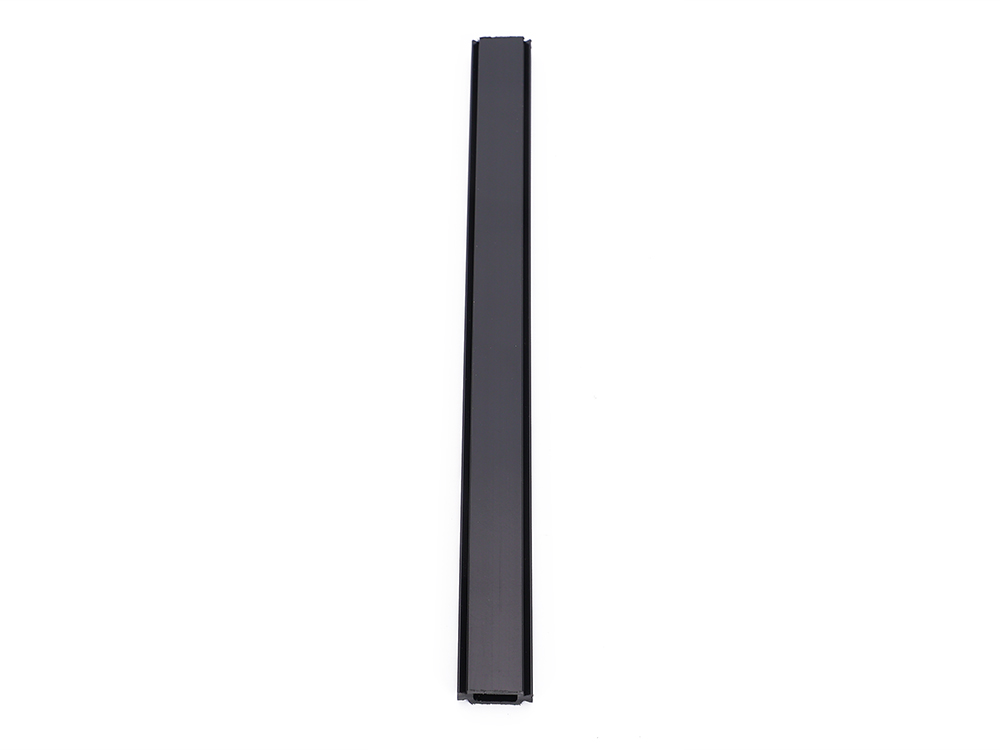
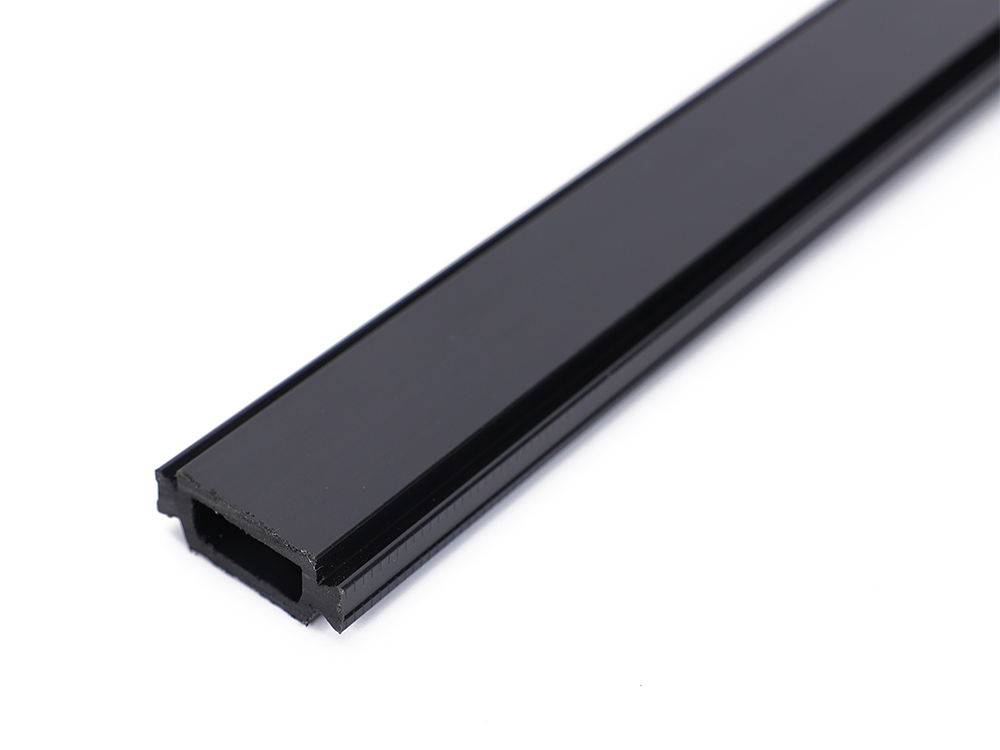
|
Model |
BGM-O25 |
Material |
Nylon |
|
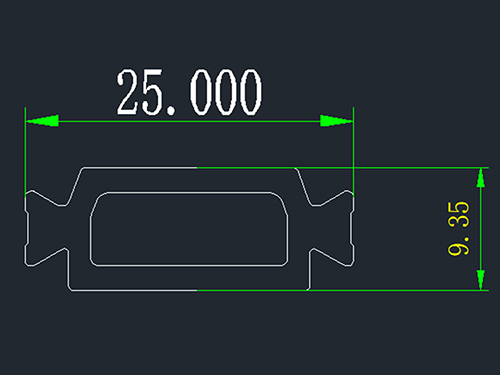
Width(mm) |
25 |
Thickness(mm) |
9.35 |
|
Can we customize the logo |
Yes |
Shape |
Long strip-shaped |
|
Eco-friendly |
Yes |
Warranty service |
5 years or more |
|
Engineering solution capability |
Comprehensive solutions, cross-category product assortment |
Application scenarios |
Hotels, villas, apartments, office buildings, hospitals, sports venues, malls, schools, recreational facilities, etc. |
|
Can the width be customized |
Yes |
Can the thickness be customized |
Yes |
|
Country of Origin |
Zhejiang,China |
Brand |
Bergman |
|
Certificate |
CE ISO9001 |
Application fields |
Windows, doors, curtain walls |
|
Length(meter) |
Customization |
Packaging |
Customizable (can include logo) |
Curtain Wall Thermal Barrier Strips provide significant long-term maintenance advantages for curtain wall and window systems. Constructed from reinforced polyamide materials , these strips maintain structural integrity and thermal performance over extended periods, even under harsh environmental conditions. Their resistance to UV exposure, weathering, and chemical corrosion prevents common issues such as cracking, warping, or degradation that often affect lower-quality insulating materials.
Because nylon strips retain their shape and function despite repeated temperature fluctuations, they reduce the need for frequent repairs or replacements , resulting in lower lifecycle costs for building owners. Additionally, their thermal stability helps prevent condensation and moisture accumulation within aluminum profiles, mitigating the risk of mold growth, corrosion, or damage to adjacent building components.
The combination of mechanical strength and thermal efficiency ensures that nylon thermal break strips continue to perform reliably over decades, providing building systems with long-term durability and reducing routine maintenance requirements. These characteristics make them especially suitable for high-rise buildings, commercial façades, and other applications where long-lasting performance and minimal intervention are critical.
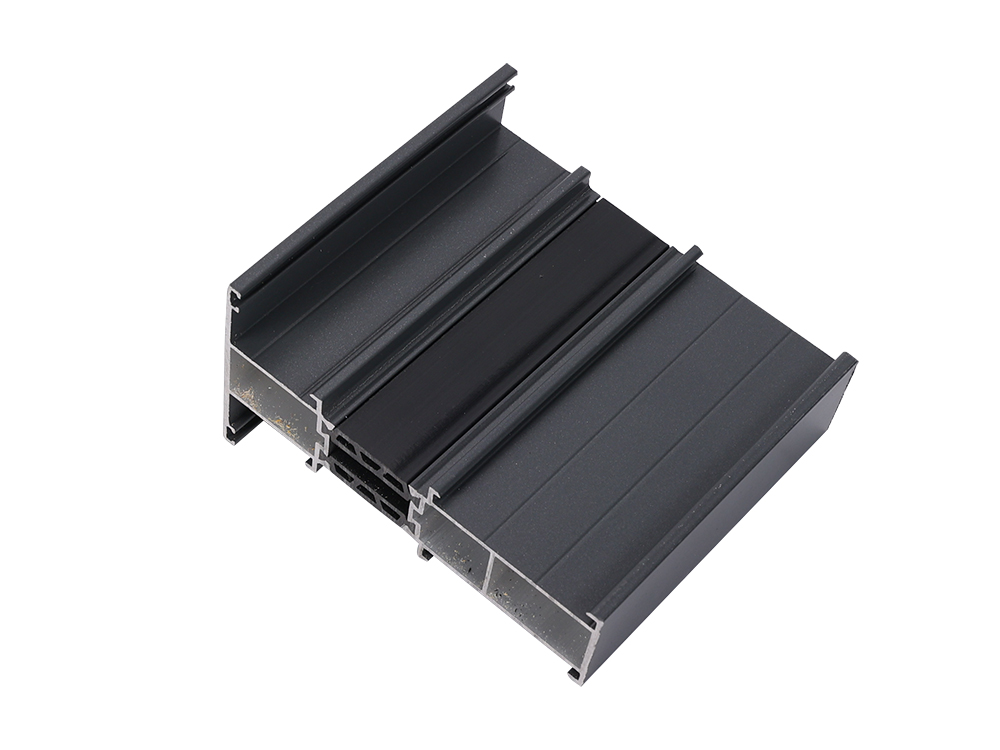
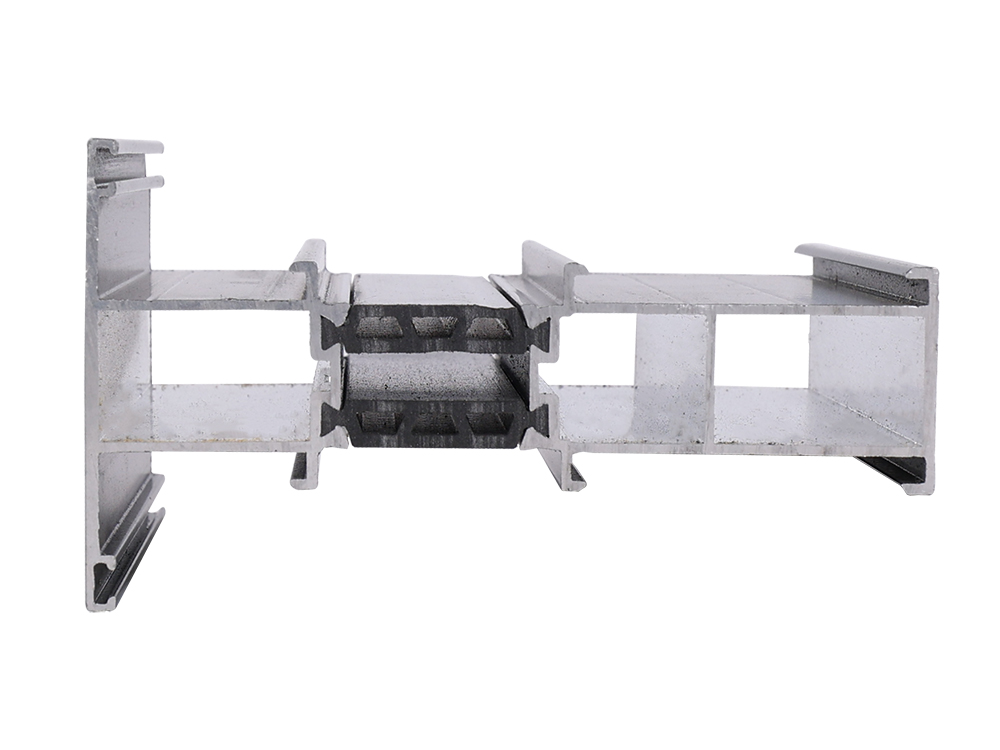
Curtain Wall Thermal Barrier Strips are designed to integrate seamlessly with other window components, enhancing the overall performance of curtain wall and window systems. Installed within the aluminum profile before gaskets, sealants, and glazing units, these strips provide a stable thermal barrier that moderates temperature extremes at the frame interface.
This temperature moderation benefits adjacent gaskets and sealants by maintaining their elasticity and adhesion, preventing problems such as hardening, shrinkage, or separation that can occur when materials are exposed directly to thermal cycling. As a result, the airtightness, watertightness, and acoustic performance of the entire window system are improved, extending the service life of all components.
Furthermore, the dimensional stability of nylon strips ensures that they remain tightly fitted within grooves and channels, supporting proper gasket compression and consistent sealing. Their compatibility with a wide range of polymer-based sealants and rubber gaskets allows designers and installers to achieve optimal integration, ensuring long-term performance without compromising thermal insulation or structural integrity.
Product Capacity
Bergman's production facility in Zhejiang is equipped with mature extrusion and quality control technology, allowing for stable, high-volume manufacturing of the BGM-O25 Curtain Wall Thermal Barrier Strip. The facility is capable of handling both standard orders in bulk and highly customized batches that require non-standard widths, thicknesses, or branding. Throughout production, each strip is subject to precision inspections to ensure accurate dimensional tolerances and consistent mechanical performance. This scalable capacity and attention to quality help Bergman support both typical architectural orders and large-scale building projects efficiently.
Product Packaging
Our products are packaged in waterproof bags. During each vehicle loading, random weight checks are conducted on every package. Typically, pallets are placed underneath to support the weight, facilitating subsequent packaging and preventing bag damage from rough handling during transport. Goods on each pallet are wrapped in stretch film to minimize moisture exposure during transit.