

 English
English
English 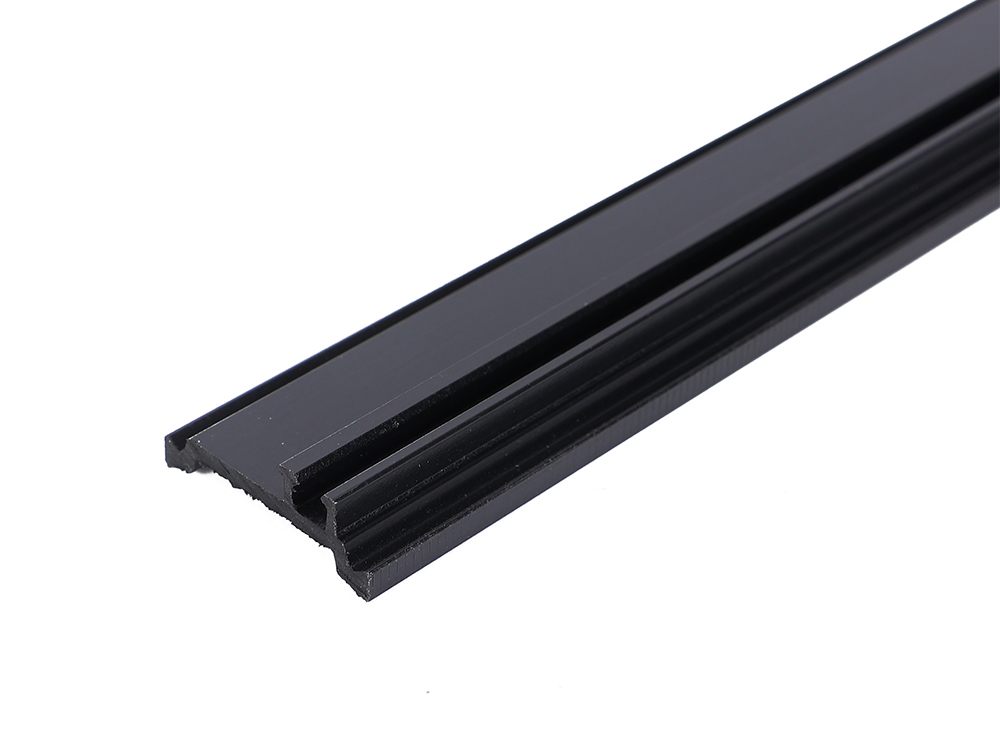
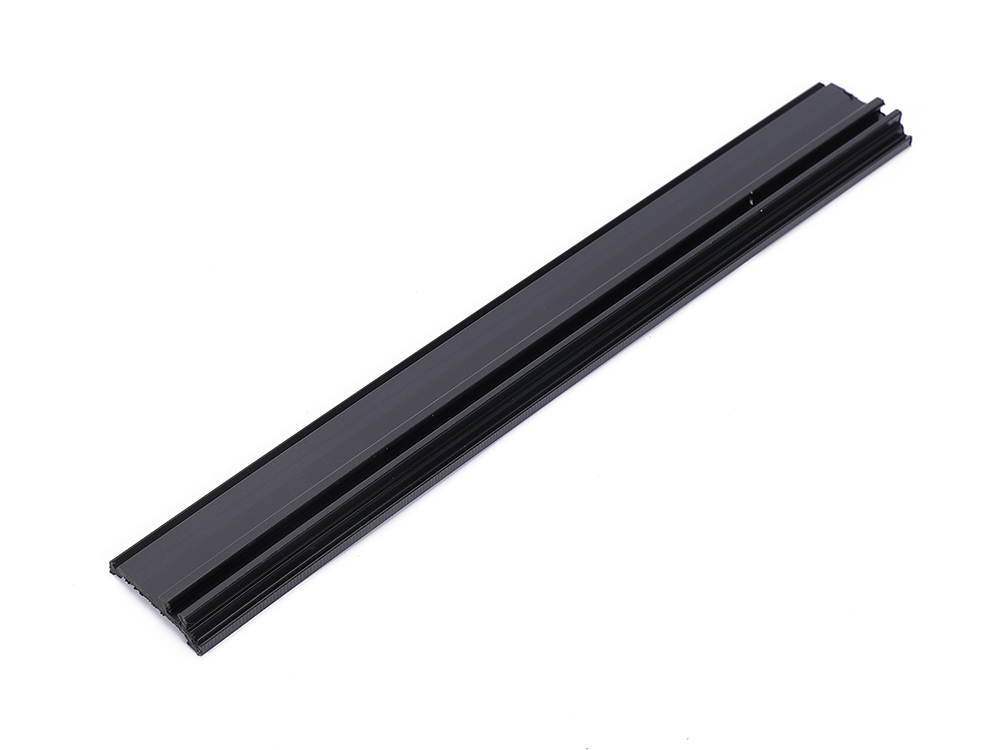
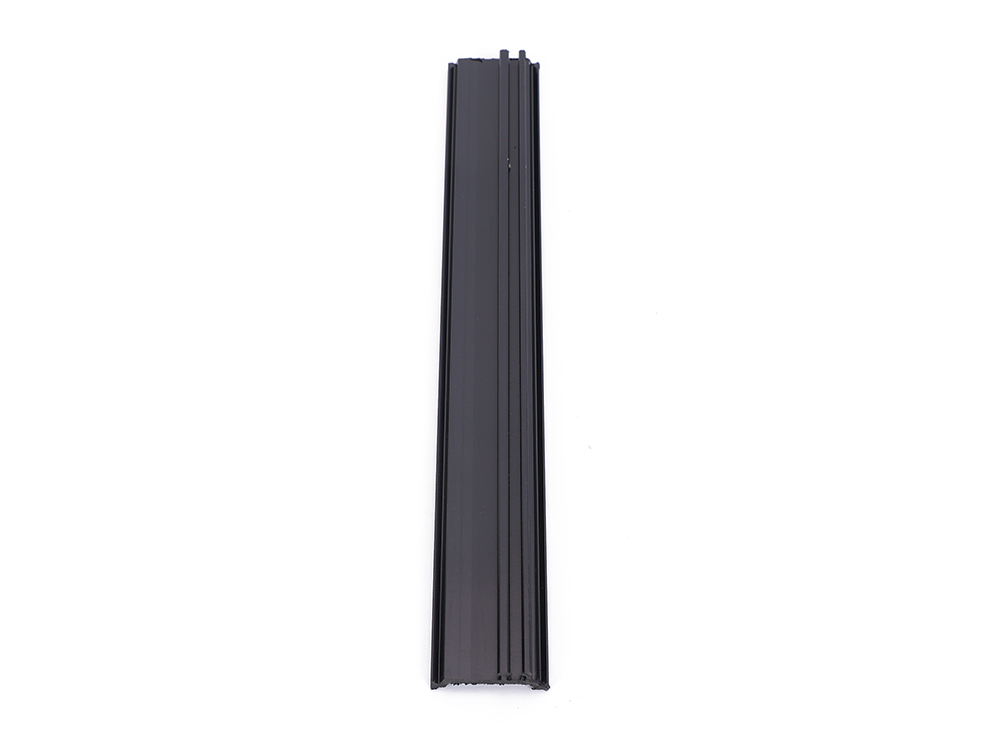
|
Model |
BGM-CF39 |
Material |
Nylon |
|
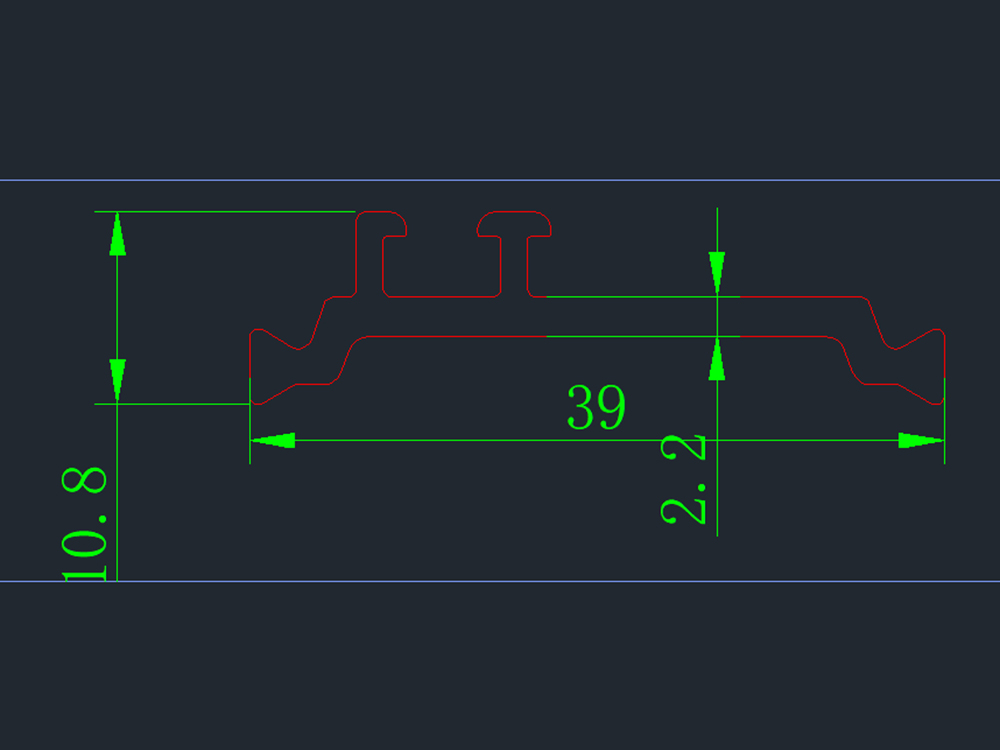
Width(mm) |
39 |
Thickness(mm) |
10.8 |
|
Can we customize the logo |
Yes |
Shape |
Long strip-shaped |
|
Eco-friendly |
Yes |
Warranty service |
5 years or more |
|
Engineering solution capability |
Comprehensive solutions, cross-category product assortment |
Application scenarios |
Hotels, villas, apartments, office buildings, hospitals, sports venues, malls, schools, recreational facilities, etc. |
|
Can the width be customized |
Yes |
Can the thickness be customized |
Yes |
|
Country of Origin |
Zhejiang,China |
Brand |
Bergman |
|
Certificate |
CE ISO9001 |
Application fields |
Windows, doors, curtain walls |
|
Length(meter) |
Customization |
Packaging |
Customizable (can include logo) |
Product Features
Thermal Break Performance: As a dedicated thermal barrier / break profile, the BGM-CF39 dramatically reduces thermal conduction in metal structural systems.
Material Strength: Manufactured from reinforced nylon, CF39 ensures excellent mechanical stability, dimensional accuracy, and long-term structural integrity.
Customizability: Both the width and thickness can be tailored as per project requirements. Logos can also be customized for branding.
Eco-friendly: Produced in an environmentally conscious process, the material is marked eco-friendly on the spec sheet.
Certifications: Certified by CE and ISO 9001, emphasizing consistent quality and compliance.
Application Versatility: Suitable for a variety of architecture types – hotels, villas, apartments, offices, hospitals, shopping malls, schools, and more.
Longevity: Backed by a 5-year or more warranty, supporting durable use throughout building life cycles.
Nylon-based thermal insulation strips offer important structural advantages beyond just reducing heat transfer. Because they are typically engineered from reinforced polyamide (nylon) with glass fiber, they combine excellent mechanical strength and dimensional stability with thermal insulation properties, allowing them to support aluminum profiles under load without deformation or failure. This means assemblies like curtain walls, windows, and door frames can maintain structural integrity while still benefiting from reduced thermal bridging.
In practice, this results in better resistance to wind loads, repeated movement, and environmental stresses compared with non-reinforced materials. The similar coefficient of thermal expansion between nylon and aluminum helps prevent internal stresses during temperature cycling, avoiding cracking or separation at the interface.
Additionally, nylon’s stability under heat and moisture gives it an edge over many alternative materials. It resists creep and long-term deformation, helping maintain tight seals and dimensional precision over time. In some cases, nylon thermal breaks also contribute to improved acoustic insulation and weather resistance, enhancing overall building performance and occupant comfort.
Product Capacity
Our facility in Zhejiang, China, is fully equipped for long-strip extrusion and high-volume manufacturing. We maintain the capacity to produce large lengths of CF39 strip in continuous extrusion runs, enabling us to meet both standard and bespoke orders efficiently. With mature process control and a rich product portfolio, we support comprehensive engineering solutions and cross-category offerings. Our production is scaled to serve global customers with strong consistency, while our local presence in China ensures fast turnarounds.
Product Packaging
Our products are packaged in waterproof bags. During each vehicle loading, random weight checks are conducted on every package. Typically, pallets are placed underneath to support the weight, facilitating subsequent packaging and preventing bag damage from rough handling during transport. Goods on each pallet are wrapped in stretch film to minimize moisture exposure during transit.