


Thermal Barrier Strips are specialized insulating components used in aluminum window and door frames to prevent heat transfer between the interior and exterior sections. The manufacturing process of Thermal Barrier Strips involves sophisticated extrusion techniques, precise material formulation, and stringent quality control measures to create products that meet thermal performance standards while maintaining structural integrity. Understanding this manufacturing process is essential for architects, engineers, and building professionals who specify these critical energy-efficient building components.
Raw Material Selection and Preparation
The manufacturing of Thermal Barrier Strips begins with careful selection and preparation of raw materials that determine the final product's thermal and mechanical properties.
-
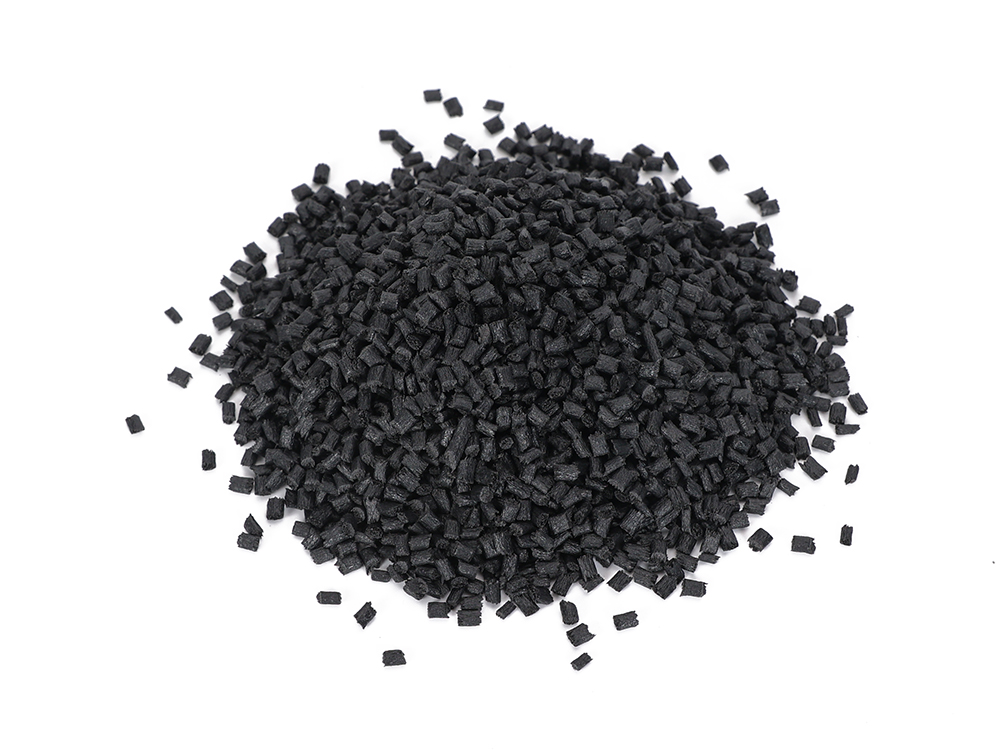
Polyamide resin selection: Manufacturers primarily use PA66 (polyamide 6,6) or PA6 (polyamide 6) as the base polymer due to their excellent thermal insulation properties, structural strength, and dimensional stability across temperature ranges
-
Glass fiber reinforcement: Adding 15-35% glass fiber content significantly enhances mechanical strength, reduces thermal expansion coefficients, and improves creep resistance under sustained loads
-
Additives and modifiers: UV stabilizers protect against photodegradation, flame retardants meet building fire safety codes, and impact modifiers improve low-temperature toughness
-
Colorants and pigments: Carbon black or other pigments provide color consistency and additional UV protection while maintaining thermal properties
-
Material drying: Polyamide pellets must be dried to moisture content below 0.1% before processing to prevent hydrolysis, surface defects, and dimensional inconsistencies during extrusion
-
Blending procedures: Precise mixing of base resin, glass fibers, and additives in controlled ratios ensures uniform distribution and consistent material properties throughout production runs
-
Quality testing of raw materials: Incoming material inspection verifies melt flow index, glass fiber content, moisture levels, and absence of contamination before processing begins
Extrusion Process Technology
Extrusion is the core manufacturing stage where raw materials are transformed into functional profiles. However, the process is far more complex than simply melting and shaping polymer.
Modern production relies on co-rotating twin-screw extruders, which provide superior mixing and thermal control compared to single-screw systems. The goal is not just melting, but achieving a homogeneous, stable melt with uniform fiber distribution .
Temperature control is critical. The material must be processed within a narrow thermal window—typically between 240°C and 280°C. Deviations can lead to incomplete melting or thermal degradation, both of which compromise the final performance of Thermal Barrier Strips.
At the same time, die design determines the final geometry and dimensional precision. Even minor deviations (beyond ±0.05 mm) can affect assembly compatibility with aluminum profiles.
Key process factors include:
- Screw speed balancing throughput and material residence time
- Back pressure ensuring melt density and eliminating internal voids
- Melt temperature stability at the die exit for consistent extrusion quality
The extrusion stage ultimately defines whether Thermal Barrier Strips achieve the required balance between structural strength and thermal insulation.
Cooling and Calibration Systems
Once extruded, the material enters a critical transition phase where shape, stress distribution, and dimensional accuracy are established simultaneously.
Instead of rapid cooling, which can induce internal stress and deformation, Thermal Barrier Strips undergo progressive, controlled cooling . Vacuum calibration systems first define the external geometry by pulling the softened profile against precision molds. This ensures tight dimensional tolerances and surface consistency.
Cooling then proceeds through staged water baths with gradually decreasing temperatures. This controlled approach minimizes thermal shock and allows internal stresses to dissipate naturally.
A typical cooling profile is shown below:
| Cooling Stage | Temperature Range | Duration | Purpose |
| Initial Calibration | 60-70°C | 5-8 seconds | Shape formation and initial solidification |
| Primary Cooling | 40-50°C | 10-15 seconds | Structural stabilization |
| Secondary Cooling | 25-35°C | 8-12 seconds | Internal stress relief |
| Final Cooling | 15-20°C | 5-8 seconds | Complete solidification |


Surface Treatment and Finishing
After cooling, Thermal Barrier Strips undergo various surface treatment processes to enhance performance characteristics and prepare them for assembly.
-
Knurling process: Rotating knurling wheels emboss the surface with precise patterns of ridges or grooves that significantly increase mechanical interlocking strength when crimped into aluminum profiles
-
Knurling pattern specifications: Common patterns include straight knurl (parallel grooves), diamond knurl (crossed grooves), or specialized proprietary patterns, typically with 0.3-0.5mm depth
-
Surface cleaning: Ultrasonic or spray cleaning systems remove residual lubricants, dust, or contaminants that could interfere with mechanical bonding or subsequent processing
-
Corona treatment: Some applications require corona discharge treatment to increase surface energy and improve adhesion for coatings or adhesives
-
Dimension verification: Inline laser micrometers continuously measure critical dimensions, ensuring profiles remain within specified tolerances throughout production
Cutting and Length Control
The transition from continuous extrusion to usable components requires precise cutting and handling systems. This stage is often overlooked but plays a significant role in downstream manufacturing efficiency.
High-speed “flying saw” systems allow cutting without interrupting the extrusion process, maintaining production continuity. Synchronization between pulling speed and cutting action is essential to prevent deformation.
Critical quality considerations include:
Perpendicular cut ends to ensure proper assembly alignment
Tight length tolerances for automated production compatibility
Clean edges without burrs or delamination
Even minor inconsistencies at this stage can create assembly challenges or reduce structural integrity in final applications.
Quality Control and Testing Procedures
Comprehensive quality assurance programs ensure Thermal Barrier Strips meet industry standards and customer specifications before shipment.
Dimensional Inspection
-
Profile gauge verification: Go/no-go gauges and coordinate measuring machines verify that cross-sectional dimensions match approved drawings within specified tolerances
-
Wall thickness measurement: Ultrasonic thickness gauges check minimum wall thickness at critical load-bearing points to ensure structural adequacy
-
Length verification: Statistical sampling confirms cut lengths meet specifications across production batches
-
Straightness assessment: Profiles are checked on flat reference surfaces to verify straightness deviations remain within 1mm per meter maximum
Mechanical Property Testing
-
Tensile strength evaluation: Universal testing machines determine ultimate tensile strength (typically 130-180 MPa for glass-filled PA66) and elongation at break
-
Flexural modulus measurement: Three-point bending tests quantify stiffness properties, with typical values ranging from 7,000-11,000 MPa
-
Impact resistance testing: Charpy or Izod impact tests verify material toughness, particularly important for low-temperature performance
-
Creep resistance verification: Long-term load tests under elevated temperatures confirm dimensional stability under sustained stress
Thermal Performance Validation
-
Thermal conductivity measurement: Laboratory testing confirms thermal conductivity values remain below 0.30 W/(m·K), the threshold for effective thermal breaking
-
Thermal expansion testing: Coefficient of linear thermal expansion is verified to match aluminum profiles (approximately 23 × 10⁻⁶/K) to prevent differential movement stresses
-
Heat deflection temperature: Testing confirms the material maintains rigidity at temperatures exceeding 200°C, well above service conditions
Industry Standards Compliance
Thermal Barrier Strips must comply with multiple international standards including AAMA (American Architectural Manufacturers Association), EN ISO standards for thermal performance, and regional building codes. Manufacturers maintain detailed test reports and certifications demonstrating compliance with these requirements.
Packaging and Storage Considerations
Even after production, handling conditions can influence the final performance of Thermal Barrier Strips.
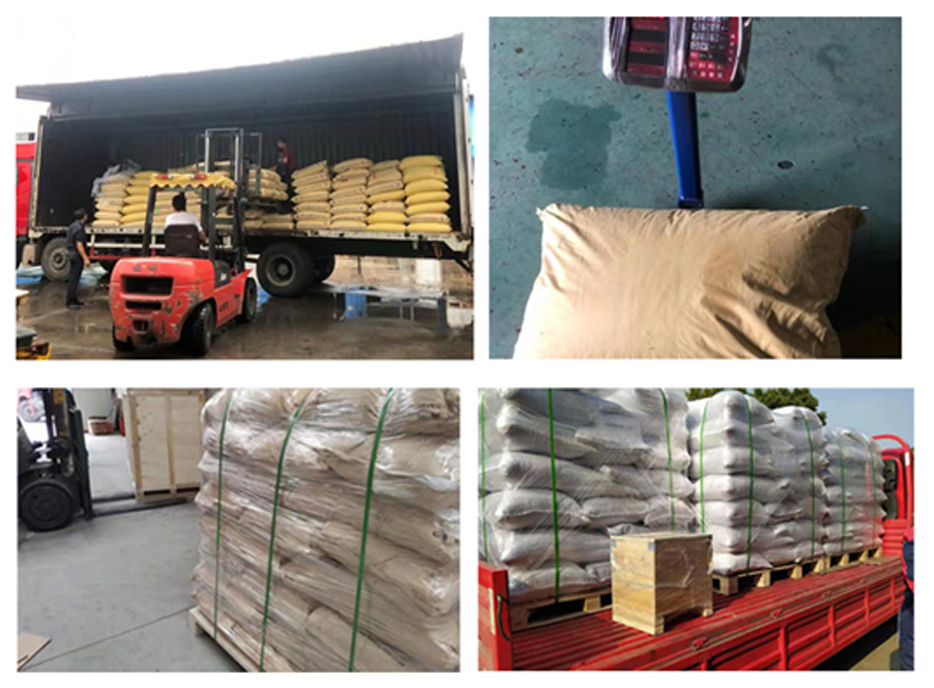
Because polyamide materials can absorb moisture, controlled storage conditions are necessary to maintain dimensional stability. Proper packaging also prevents surface damage and contamination during transportation.
Typical best practices include:
Protective wrapping to prevent moisture and dust exposure
Controlled warehouse environments (temperature and humidity)
Clear labeling for traceability and batch identification
These measures ensure that Thermal Barrier Strips retain their properties until they are integrated into window or facade systems.
Product Packaging
Advanced Manufacturing Innovations
Recent advancements are transforming how Thermal Barrier Strips are produced. Automation and digitalization are improving both efficiency and consistency, while new material developments are addressing sustainability concerns.
Emerging trends include:
-
Real-time defect detection using machine vision systems
-
Automated handling and packaging for improved consistency
-
Development of bio-based or recycled polyamide materials
-
High-precision die manufacturing using CNC and EDM technologies
-
Integration of data-driven process optimization systems
These innovations are pushing Thermal Barrier Strips toward higher performance standards while reducing environmental impact.
The manufacturing of Thermal Barrier Strips represents a sophisticated blend of materials science, precision engineering, and quality control. From raw material selection through extrusion, cooling, surface treatment, and final inspection, each process step contributes to creating products that deliver essential thermal insulation performance in modern energy-efficient building envelopes. As building codes increasingly emphasize energy conservation and manufacturers continue advancing production technologies, Thermal Barrier Strips will remain critical components in high-performance window and door systems. Understanding this manufacturing process enables better specification decisions, quality expectations, and appreciation for the engineering that makes contemporary thermally-broken aluminum fenestration systems possible.