


Thermal barrier strips play a crucial role in modern engineering and construction where temperature control, energy efficiency, and structural performance must work together. By interrupting heat transfer between conductive materials—most commonly aluminum or steel components—these strips significantly improve insulation performance without compromising structural strength.
Rather than being a niche material, thermal barrier strips are widely integrated into building systems, transportation equipment, and industrial assemblies. Their applications are expanding as energy standards become stricter and demand for high-performance building envelopes continues to grow.
1. Aluminum Windows and Doors Systems
One of the most widespread applications of thermal barrier strips is in aluminum window and door profiles. Aluminum is highly durable and lightweight, but it is also a strong thermal conductor. Without a thermal break, heat and cold pass easily through frames, reducing indoor comfort and increasing energy consumption.
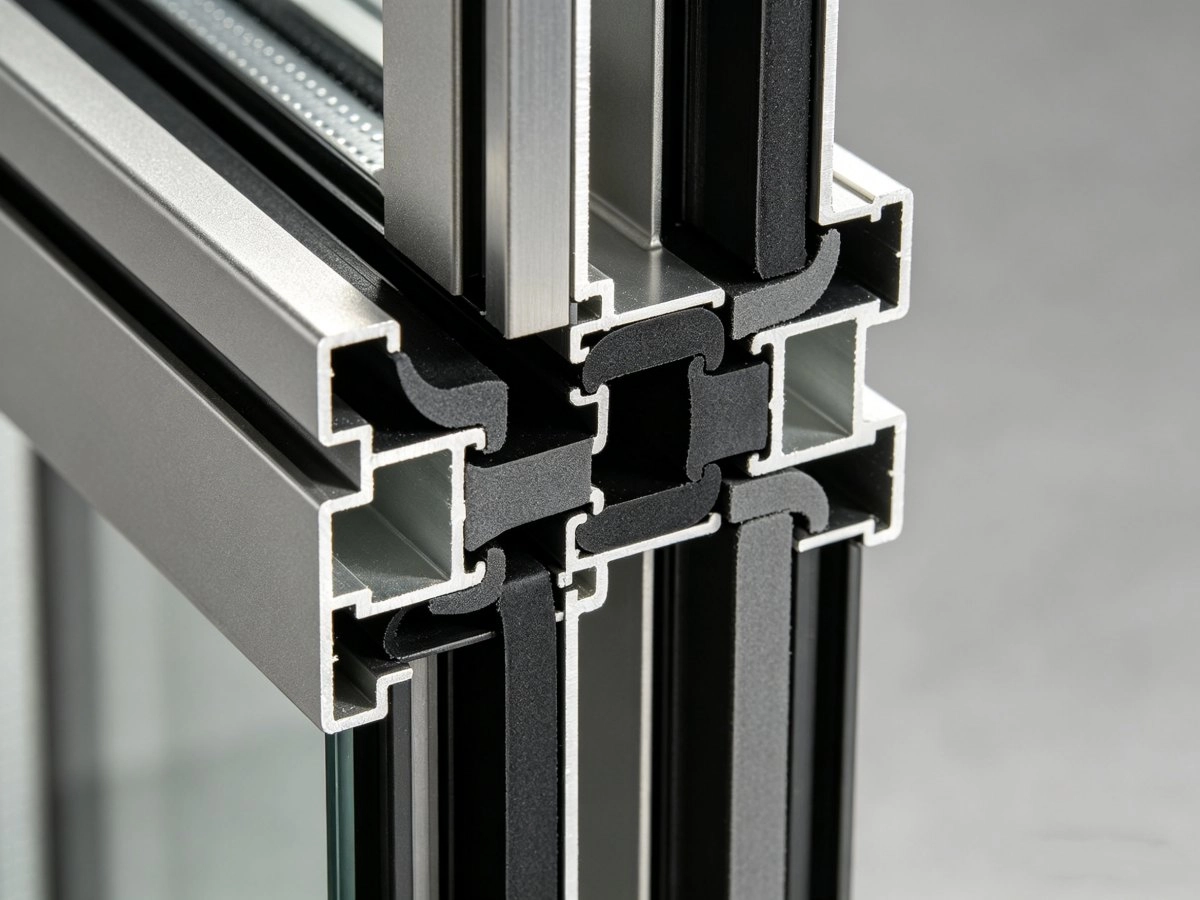
Thermal barrier strips are inserted between the interior and exterior aluminum profiles to interrupt this thermal bridge.
Key benefits in window and door systems:
- Reduces heat loss in winter and heat gain in summer
- Prevents condensation buildup on interior frames
- Improves overall energy efficiency of buildings
- Enhances acoustic insulation performance
- Supports compliance with green building standards
In high-performance architecture, such as passive houses or energy-efficient commercial buildings, thermal barrier strips are no longer optional—they are essential.
2. Curtain Wall and Building Facades
Curtain wall systems in modern skyscrapers rely heavily on metal framing, making thermal bridging a major concern. Thermal barrier strips are commonly integrated into aluminum mullions and transoms to improve façade insulation performance.
These systems are particularly important in large glass buildings where thermal exchange through structural frames can significantly impact HVAC loads.
Application advantages in facades:
- Minimizes thermal bridging across large metal structures
- Improves façade U-value performance
- Enhances indoor climate stability in high-rise buildings
- Reduces long-term energy costs for commercial buildings
In architectural engineering, thermal barrier strips help balance aesthetics (large glass surfaces) with energy efficiency requirements.
3. Industrial Equipment and Machinery
Beyond construction, thermal barrier strips are used in industrial environments where temperature separation is critical. Many machines include metal housings or components exposed to extreme heat or cold.
In such systems, thermal barrier strips help protect sensitive components and improve operational stability.
Typical industrial uses include:
- Heat-sensitive electronic housing separation
- Equipment frames exposed to thermal cycling
- HVAC and refrigeration system assemblies
- Industrial ovens and thermal processing equipment
Key functional benefits:
- Prevents unwanted heat transfer between machine zones
- Improves equipment lifespan by reducing thermal stress
- Enhances safety in high-temperature environments
4. Transportation and Automotive Systems
In automotive, rail, and aerospace industries, weight reduction and thermal management are both critical. Thermal barrier strips are often integrated into aluminum structural components to reduce heat conduction between interior and exterior parts.
Common applications in transportation:
- Vehicle body frames and chassis systems
- Battery enclosures in electric vehicles
- Aircraft interior panel structures
- Train cabin insulation systems
Why they matter in this sector:
- Maintains cabin temperature stability
- Reduces energy consumption in climate control systems
- Protects passengers and sensitive components from extreme temperatures
- Supports lightweight design without sacrificing insulation
In electric vehicles in particular, thermal barrier technology helps manage battery temperature stability, which is essential for safety and performance.
5. Solar Energy and Renewable Systems
Thermal barrier strips are also used in renewable energy infrastructure, especially in solar panel mounting systems and solar thermal equipment. These environments often experience high thermal cycling due to constant exposure to sunlight and weather changes.
Applications include:
- Solar panel aluminum frames
- Solar water heating system supports
- Mounting brackets and support structures
Functional contributions:
- Reduces heat conduction into supporting structures
- Improves system durability under outdoor exposure
- Enhances long-term performance stability
By minimizing thermal stress, barrier strips help extend the lifespan of renewable energy installations.
6. Cold Storage and Refrigeration Systems
In cold chain logistics and refrigeration equipment, preventing heat infiltration is critical. Thermal barrier strips are used in structural joints and door frames to maintain temperature consistency.
Key application areas:
- Cold room door frames
- Freezer panel connections
- Refrigerated transport containers
Benefits in cold environments:
- Reduces cold loss and energy consumption
- Improves temperature stability inside storage units
- Prevents condensation and frost buildup
- Enhances system efficiency in continuous operation
7. Marine and Offshore Structures
In marine engineering, materials are constantly exposed to saltwater, humidity, and temperature variations. Thermal barrier strips are used in aluminum structures to reduce thermal bridging and improve corrosion resistance performance indirectly by stabilizing temperature fluctuations.
Applications include:
- Ship cabin structures
- Offshore platform housing systems
- Marine equipment enclosures
Advantages:
- Improves thermal insulation in harsh environments
- Reduces structural stress caused by temperature changes
- Enhances comfort in enclosed marine spaces
Conclusion
Thermal barrier strips are far more than a simple insulating component—they are a foundational element in modern energy-efficient design across multiple industries. From building facades and window systems to electric vehicles and renewable energy structures, their role is centered on one core function: controlling heat transfer while maintaining structural integrity.
As global energy efficiency standards continue to rise, the application scope of thermal barrier strips will only expand, making them an increasingly essential material in both construction and advanced engineering systems.