

 English
English
English A Thermal Barrier/Break Strip is a precisely engineered insulating component designed to interrupt the flow of heat through metal profiles—most commonly aluminum frames used in curtain walls, windows, doors, and facades. In essence, the strip is made from a low-conductivity material (such as glass-fiber reinforced polyamide or specially formulated polymer) and is inserted between the interior and exterior metal sections. This interrupts the so-called “thermal bridge” effect—where conductive metal would otherwise easily transfer heat from the outside to the inside (or vice versa).
By creating a continuous insulating barrier, a thermal break strip helps reduce heat conduction, improve energy efficiency, and prevent condensation or cold spots in building envelope systems.
These strips are widely used in architectural aluminum systems: curtain walls, windows and doors, facade units, and any structural framing where aluminum or metal connects outdoor and indoor spaces.
In a curtain wall setup, the external aluminum profile conducts outdoor heat (or cold) into the interior; the thermal break strip interrupts that path.
The result: improved U-values, better insulation, reduced risk of internal surface condensation, and increased energy efficiency of the building envelope.
Beyond facade systems, thermal barrier/break strips may also be found in mechanical or industrial applications where metal parts must be insulated from heat transfer—for example, solar collectors, refrigerated enclosures, or machine housings where thermal separation is required.
Curtain Wall Systems
Prevents outdoor temperature from transferring through aluminum framing into the interior.
Aluminum Windows and Doors
Enhances insulation and meets energy-saving requirements.
Facade Units and Skylights
Improves U-value performance and minimizes condensation risk.
Industrial Equipment
Used in cooling systems, enclosures, and other assemblies where thermal isolation between metal parts is needed.
Green Building Projects
Plays a key role in achieving environmental certifications and sustainable energy goals.
High-Performance Material
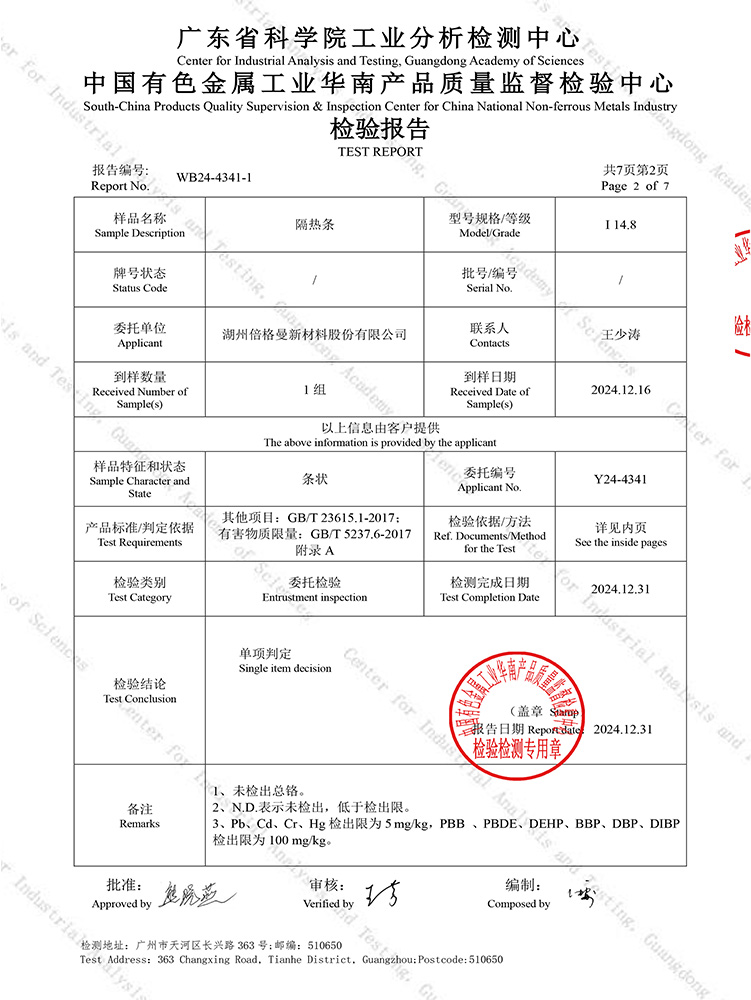
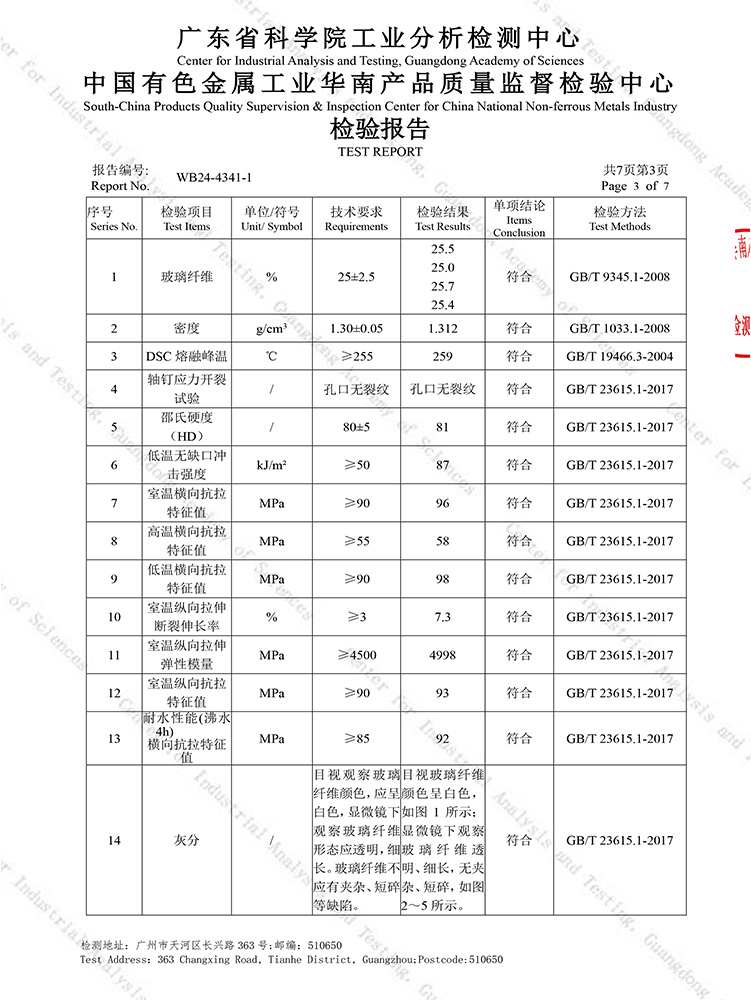
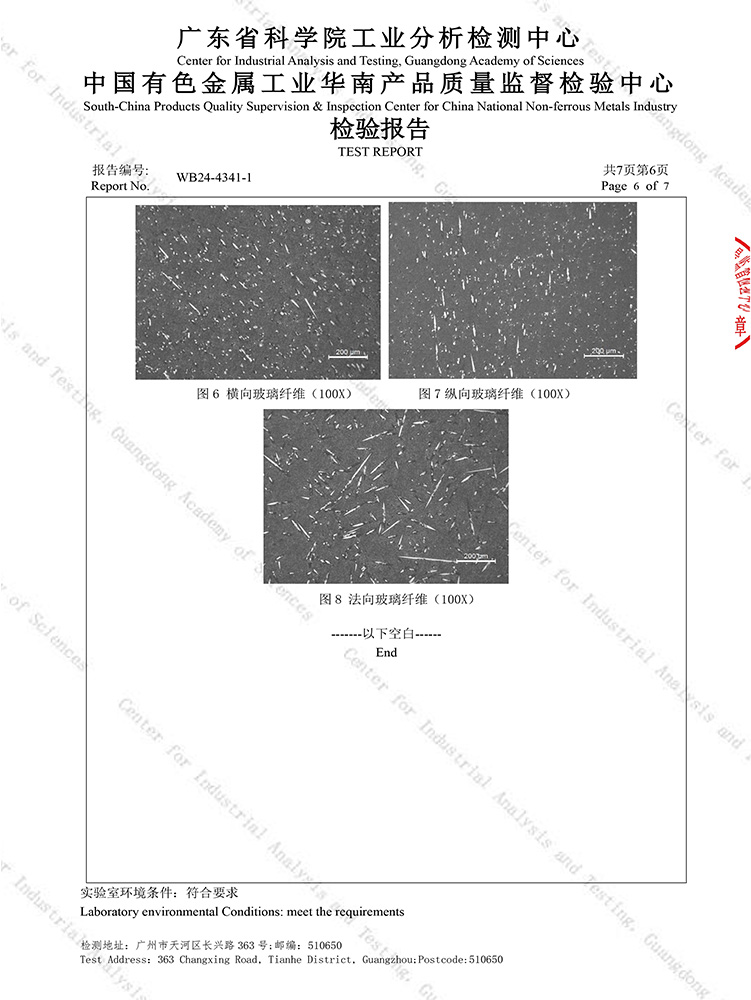
Manufactured from PA66 with 25% glass fiber reinforcement, the strip delivers high mechanical strength and dimensional stability, ensuring reliable load-bearing performance in curtain wall and door-frame systems.
Excellent Thermal Insulation
Its low thermal conductivity effectively interrupts heat flow, reducing thermal bridging and energy loss while helping maintain stable indoor temperatures year-round.
Durability and Stability
Designed for long-term use, the material maintains performance under temperature cycling and UV exposure, minimizing degradation over time.
Precision Manufacturing
Advanced extrusion ensures tight tolerances and consistent profile fit, enabling secure mechanical interlocking with aluminum frames.
Customization Available
Dimensions and formulations can be tailored to system needs, offering design flexibility without compromising structural or thermal performance.
Energy Efficiency: Helps buildings achieve better thermal performance and comply with modern energy codes.
Condensation Prevention: Reduces surface temperature differences, avoiding moisture and mold buildup.
Mechanical Reliability: Ensures strong bonding between aluminum profiles without sacrificing insulation quality.
Cost-Effectiveness: Local Chinese production offers high-value performance at competitive pricing.
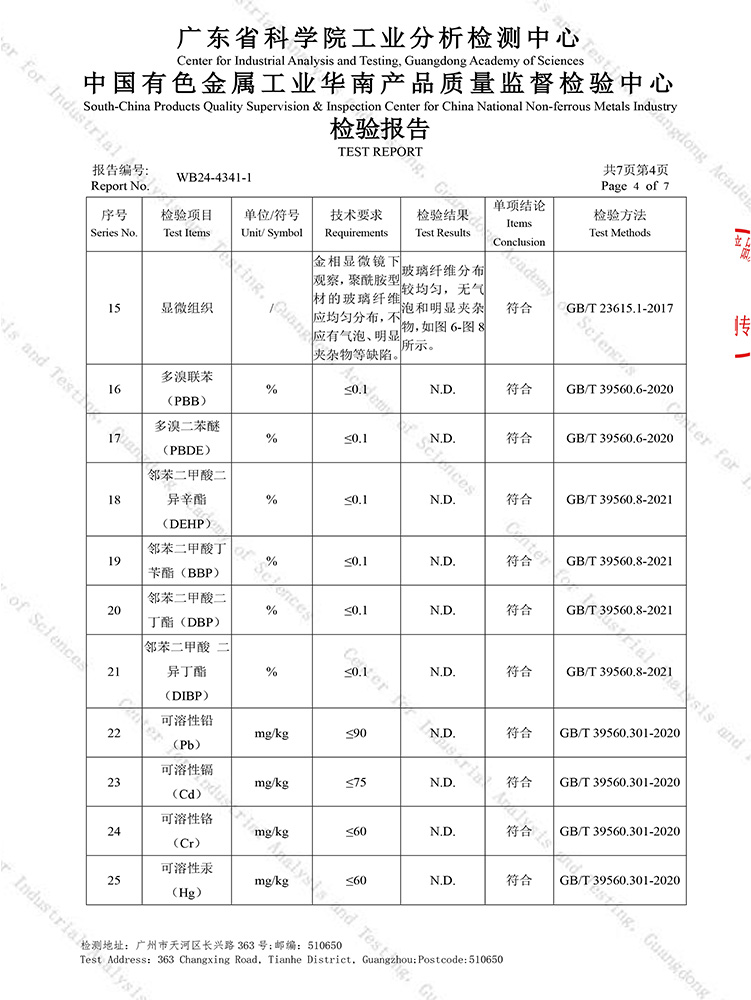
Eco-Friendly Manufacturing: Supports sustainable development with recyclable, RoHS-compliant materials.
Design Flexibility: Available for both pressure-plate and unitized curtain wall systems.
Compatibility: Works with a wide range of aluminum alloys and surface treatments.
Long-Term Stability: Resistant to deformation, cracking, or aging under extreme temperatures.
Quality Control: Each batch undergoes mechanical testing to ensure uniform properties and safety compliance.
A Thermal Barrier/Break Strip is essential for modern architectural systems aiming for high insulation, durability, and sustainability.Our China-manufactured strips combine engineering precision, material innovation, and cost efficiency, making them an ideal choice for curtain walls, windows, and other aluminum structures where energy performance matters most.
Have questions? We have answers!
Get in Touch