


When choosing windows, doors, or curtain wall systems for a building, most people focus on appearance, glass quality, or frame design. However, the performance of the aluminum frame itself is equally important. Although aluminum is widely used because of its strength, durability, and modern appearance, its high thermal conductivity can create heat transfer problems between indoor and outdoor environments.
In daily use, this issue can appear in several ways: rooms near windows feeling colder in winter, indoor temperatures rising quickly in summer, higher heating and cooling costs, or condensation forming around the frame. For this reason, Thermal Barrier Strips have become an important component in modern aluminum systems.
By creating an insulating barrier between the internal and external aluminum sections, thermal break solutions help reduce thermal bridging and improve the overall energy performance of buildings. However, selecting the right product requires more than simply choosing the lowest price. Material quality, compatibility, durability, and supplier capability all influence long-term performance.
How Do Thermal Barrier Strips Improve Building Comfort and Energy Efficiency?
The main purpose of Thermal Barrier Strips is to reduce direct heat transfer through aluminum profiles. Traditional aluminum frames can easily transfer heat because metal allows thermal energy to move quickly. A thermal break interrupts this pathway by inserting a low-conductivity material between the interior and exterior sections of the frame.
This design helps maintain more stable indoor temperatures throughout the year. During colder months, less indoor heat escapes through the aluminum frame. During hot weather, less outdoor heat enters the building, reducing the workload of air conditioning systems.
For homeowners, this improvement is not just a technical advantage. It means living spaces that feel more comfortable, especially in areas close to large windows or glass façades. For commercial buildings, improved thermal performance can also help reduce long-term operating expenses.
What Should You Check Before Buying Thermal Barrier Strips?
Choosing a suitable thermal break product requires consideration of several factors. A high-quality solution should not only provide insulation but also maintain structural stability throughout years of use.
1Material Quality and Long-Term Durability
The material used in thermal break systems directly affects performance. High-performance products commonly use polyamide, especially PA66 reinforced with glass fiber, because this material provides a good balance between thermal insulation and mechanical strength.
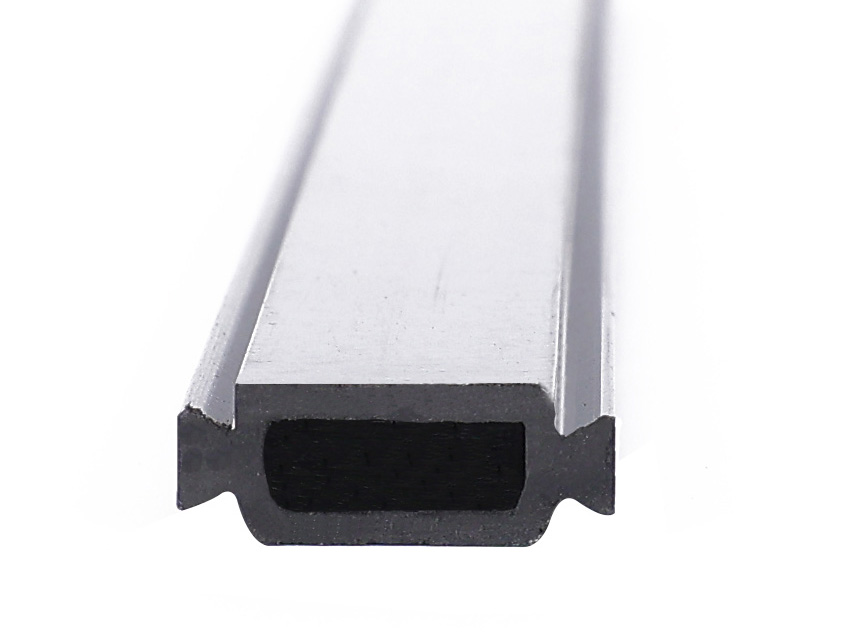
PA66 Thermal Break Strips are widely used in demanding applications because they can maintain dimensional stability under temperature changes while resisting deformation over long periods.
For building systems exposed to outdoor conditions, material durability is especially important. A low-quality thermal barrier may gradually lose its shape, affecting the connection between aluminum profiles and reducing the effectiveness of insulation.
2Size Compatibility With Aluminum Profiles
Even a high-quality thermal break cannot perform properly if it does not match the aluminum profile design.
Before purchasing, buyers should confirm key specifications such as:
- Width and thickness requirements
- Length and profile compatibility
- Installation method
- Application environment
Different systems, including aluminum windows, doors, and curtain walls, often require different designs. A properly matched Thermal Break Strip helps maintain a secure connection, improves sealing performance, and ensures consistent thermal insulation.
3Manufacturing Capability and Quality Control
The reliability of thermal break products depends not only on raw materials but also on manufacturing precision. During extrusion and production, accurate dimensions are essential because even small variations may affect installation and performance.
When evaluating suppliers, buyers should consider:
- Production consistency
- Quality inspection processes
- Customization capability
- Relevant certifications and testing standards
A supplier with strong manufacturing experience can provide more stable products and better technical support for different project requirements.

Recommended Solution: High-Performance Thermal Barrier Strips for Window and Curtain Wall Systems
For projects that require reliable thermal performance and long-term stability, selecting a professionally manufactured thermal break solution is essential.
Polyamide-based Thermal Barrier Strips designed for aluminum windows, doors, and curtain wall systems provide an effective balance between insulation performance and mechanical reliability. These products help reduce thermal bridging while maintaining the strength required for modern architectural applications.
For example, high-performance thermal barrier solutions can offer:
In practical applications, these advantages make them suitable for hotels, office buildings, apartments, and large façade projects where comfort and energy management are important considerations.
From an installation perspective, investing in a reliable thermal break system often provides noticeable benefits over time. Better temperature control, fewer condensation issues, and reduced maintenance requirements can make the initial investment worthwhile.
Are Thermal Barrier Strips Worth the Investment? (Q&A)
Q: Are Thermal Barrier Strips only useful in cold climates?
No. Thermal break systems are beneficial in both cold and hot climates.
In colder regions, they help reduce indoor heat loss. In warmer areas, they limit heat entering through aluminum frames and reduce cooling demand. Their purpose is to improve overall building thermal performance regardless of climate conditions.
Q: Will Thermal Barrier Strips significantly increase construction costs?
The initial cost may be higher compared with standard aluminum systems, but the long-term value should also be considered.
Improved insulation performance can reduce energy consumption, while better protection against condensation may lower future maintenance costs. For many projects, thermal breaks are considered a long-term investment rather than an additional expense.
Q: Can existing aluminum windows be upgraded with thermal break systems?
This depends on the original window design. Thermal breaks are most effective when integrated during the manufacturing stage of aluminum profiles. For some existing systems, replacement of the frame may be required to achieve improved performance.
Learn More About Thermal Barrier Strip Technology
To better understand thermal break solutions and their applications, explore these related topics:
Making a Smarter Choice for Long-Term Building Performance
Thermal insulation is not only about reducing heat transfer; it is also about improving the overall experience and durability of a building system.
The right thermal break solution can contribute to better indoor comfort, lower energy consumption, reduced condensation risks, and longer service life for aluminum structures. When purchasing Thermal Barrier Strips, focusing on material quality, product compatibility, and manufacturing reliability helps ensure that the selected solution delivers consistent performance for years.
For modern energy-efficient buildings, thermal break technology has become an essential part of creating comfortable, durable, and sustainable architectural spaces.